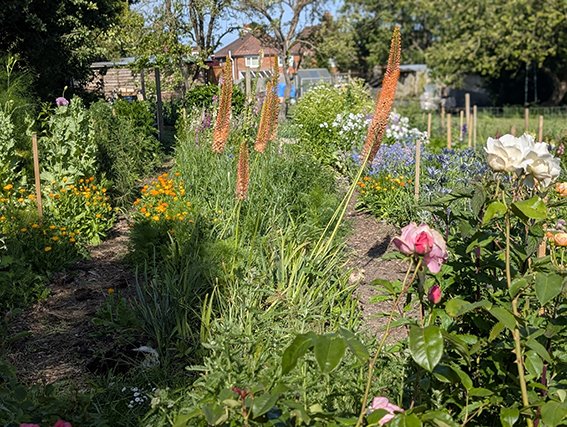
What Has Your Morning Coffee Got To Do With Your Wedding Flowers?
Every morning in Wadhams Cafe in Newport, the coffee machines are on full speed making endless espressos, lattes and flat whites. But as anyone who’s ever watched a coffee being made will know, there is a waste product - the coffee grounds - that are scrapped into the bin after every cup.

Those grounds are full of nitrogen - a natural fertiliser that makes soil richer and plants bigger and stronger.
So once a month I go to Wadhams for a coffee and load up my van with used coffee grounds so they can become flowers.
The Price of Imported Flowers
The buckets full of bouquets you see in the supermarkets are all very beautiful, but there’s a hidden cost to those flowers imported from overseas, usually in refrigerated cargo planes and lorries.
On the flip side, the carbon emissions of seasonal British flowers are typically just 5% of the emissions of imported flowers. Seasonal, British flowers have very little transport emissions, no refrigeration emissions and no heated greenhouse emissions.
To add to the planet's damage, many supermarkets and florists use flowers treated with chemicals, such asinsecticides, fungicides, and herbicides, to make them look better and last longer - something I simply do not do at Carisbrooke Flower Farm. Not only are chemicals bad for the environment, they also harm those who are exposed to them - both workers and those just trying to enjoy the flowers in their own home
How I do Things Differently
At Carisbrooke Flower Farm, I employ a no-dig system meaning the nutrients and richness of the soil is never broken down leading to soil degradation. No dig gardens mimic nature, encourage beneficial soil life, and improve drainage.
I plant only seasonal flowers at the farm which means only the right flowers for the right season are ever in bloom. The only way I extend a season is by using my unheated poly tunnel to help spring flowers come in a little earlier and summer flowers to finish a little later. Working with the natural cycle of the seasons makes sure that the flowers I grow help the local wildlife to thrive by providing the right sources of nutrients to bees, butterflies, birds etc.
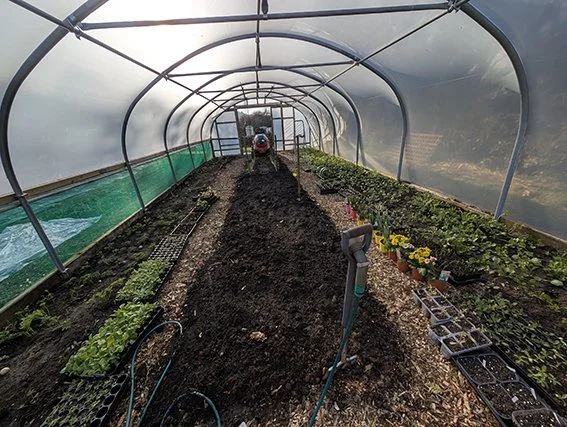
I have also been experimenting recently with lunar planting. No, not planting by the light of the moon, but planting in line with the lunar cycles. I’m sure I’ll write more about that after I’ve experimented some more.
From Cuppa to Soil
But where do the coffee grounds come in? Coffee grounds provide a fabulous source of nitrogen - an element already present in soil and plants. Adding in extra nitrogen helps boost the soil and plants giving them more strength and resilience - a bit like a vitamin supplement for the soil!
Scattered lightly onto the flower beds, coffee grounds also act as a weed suppressant and a natural slug and snail repellent. The trick is not to use the coffee too vigorously, as too much on the surface of the soil can stop water penetrating the soil, allowing it to dry out and parch the plants, so getting it right is key. Coffee grounds can also be mixed into organic matter such as well rotted mulch or compost to really give seeds and young plants a great start.
Making Your Coffee Work
So, the next time you’re having a coffee in Wadhams cafe, remember how the waste product of your caffeine fix could turn into your best friend's wedding flowers, your bouquet gift to yourself, your work event’s flowers or your loved one’s farewell arrangement. It’s how nature is supposed to work. The waste of one is useful to another which feeds another - and so the cycle continues. From café to field to your hands - nothing wasted, everything connected. Isn’t nature wonderful!